AI Ethics in Practice: How to Build Responsible Systems
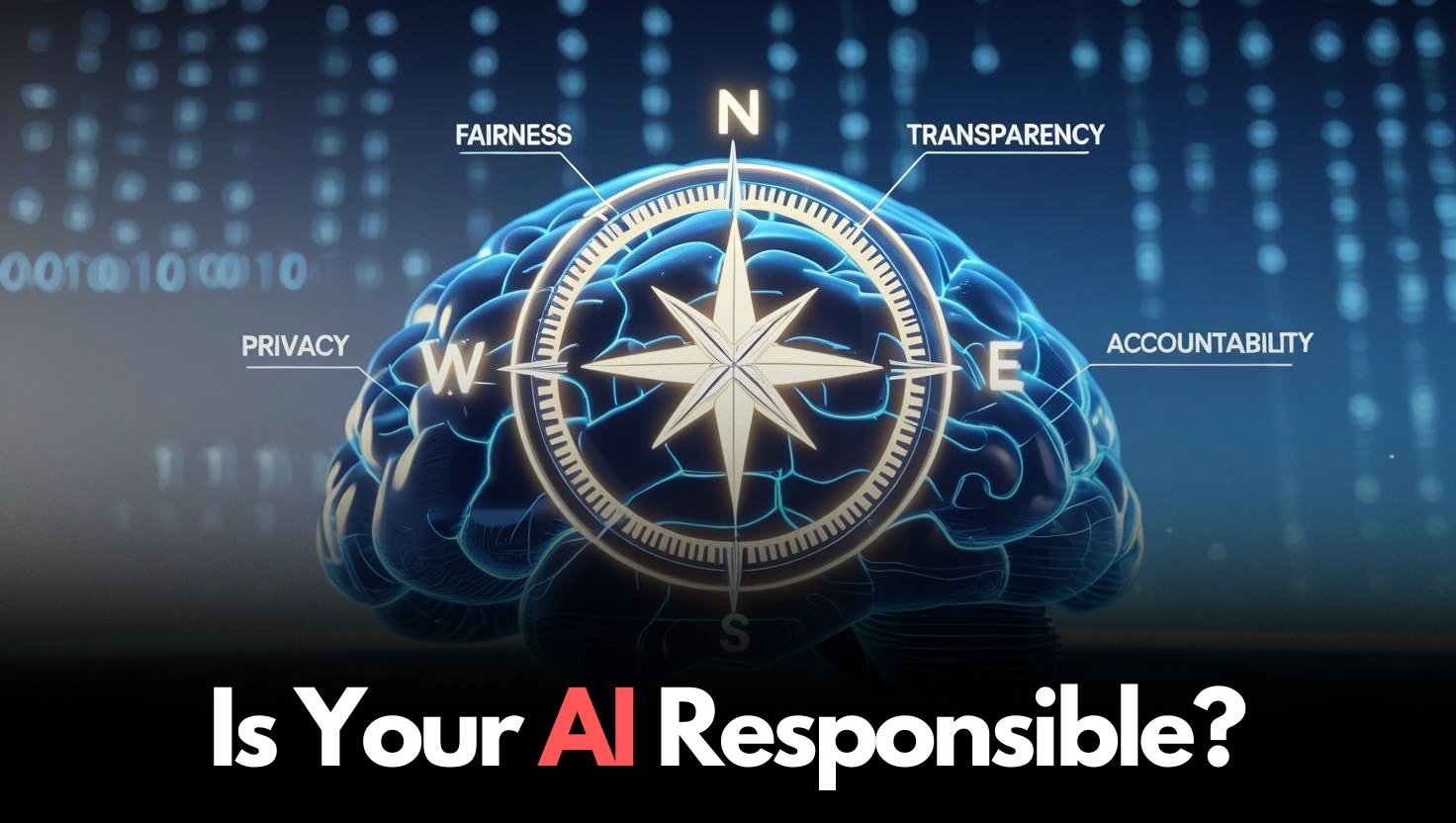
Ethics Isn’t a Feature. It’s a Foundation.
For years, AI ethics was an afterthought. Companies built systems first, then scrambled to address bias, privacy, and safety. That’s backwards.
Ethical AI isn’t harder—it’s smarter. It’s more trustworthy, more resilient, and more likely to scale. The companies winning in 2026 aren’t those with the most powerful models. They’re those with the most responsible ones.
The Ethics Pyramid
Foundation: Transparency
Humans need to understand how AI reaches conclusions. Black box systems breed mistrust. When a model denies a loan, rejects a CV, or flags suspicious activity, people deserve explanations—not guesses.
Implementation: Build interpretability into your architecture from day one. Use explainable AI (XAI) techniques. Audit model decisions regularly. Document trade-offs.
Layer 2: Fairness & Bias
AI models inherit the biases in training data. A model trained on historical hiring data will replicate historical discrimination. That’s not a bug—it’s a feature you have to actively disable.
Implementation: Audit datasets for bias before training. Test model performance across demographic groups. Set fairness constraints during training. Maintain a “bias baseline” to measure improvement.
Layer 3: Privacy & Security
AI systems often require vast amounts of personal data. But data is a liability. Breaches happen. Users deserve privacy guarantees, not finger-crossing.
Implementation: Use differential privacy during training. Implement federated learning (train on edge devices). Encrypt data in transit and at rest. Have a breach response plan before you need it.
Layer 4: Accountability
When an AI system causes harm, someone is responsible. Who? Too often, companies hide behind “the algorithm made that decision.”
Implementation: Establish clear governance. Define who owns model performance, who reviews decisions, who can override the system. Document everything. Create audit trails.
Peak: Human Alignment
Ultimately, AI systems should serve human values, not subvert them. This is the hardest layer—it requires ongoing dialogue with stakeholders, culture change, and humility.
Implementation: Involve diverse stakeholders in design. Test systems with real users. Be willing to pull back models that don’t serve intended purposes. Measure impact on actual people, not just metrics.
Case Study: Pharmaceutical Compliance
An AI system that processes compliance documentation needs to:
      - ✓ Explain which rules triggered a compliance flag (transparency)

      - ✓ Not systematically disadvantage certain drug classes or companies (fairness)

      - ✓ Protect proprietary drug formulations and patient data (privacy)

      - ✓ Allow human reviewers to override and audit decisions (accountability)

      - ✓ Improve industry standards, not just corporate speed (alignment)
That’s responsible AI. It’s not free—it requires investment in ethics infrastructure, testing, and governance. But the alternative—opaque systems making high-stakes decisions—is untenable.
The Business Case
Ethical AI isn’t a cost center. It’s a competitive advantage:
      - **Trust:** Users prefer systems they understand and trust

      - **Regulation:** Compliance will tighten. Ethical systems are future-proofed

      - **Resilience:** Ethical systems are more robust to adversarial attacks

      - **Talent:** Engineers want to build systems they're proud of
The Takeaway
AI ethics isn’t a checkbox. It’s a practice. It starts with humility: recognizing that every system we build has downstream effects. It continues with rigor: testing, auditing, improving. And it ends with accountability: taking responsibility for outcomes, not just intentions.
The future belongs to companies that build AI with human values at the center, not as an afterthought. That’s not idealistic. That’s just good business.