Human-AI Augmentation: A Framework for Responsible Innovation
The Augmentation vs. Automation Divide
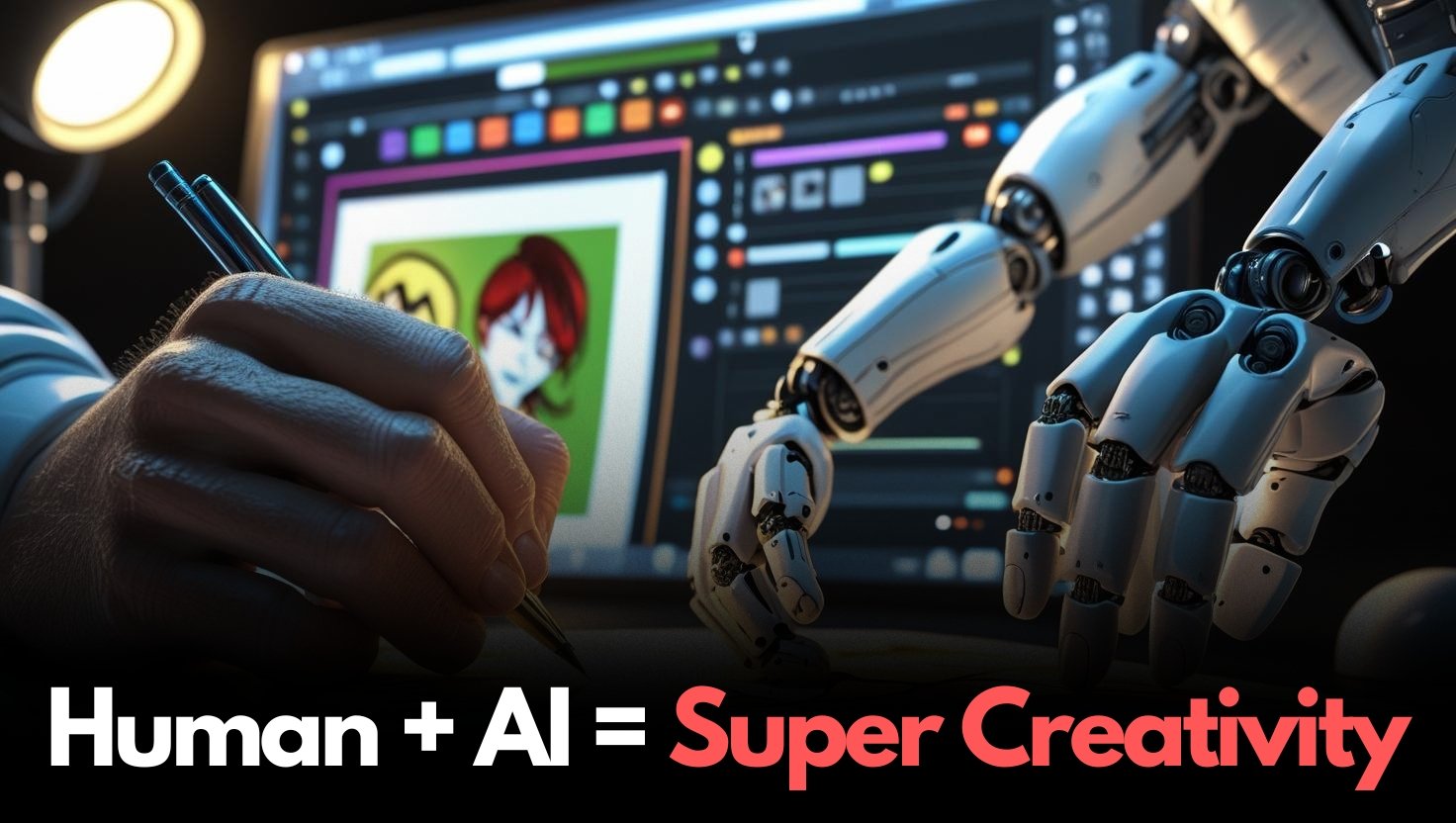
The question isn’t whether AI will change work. It will. The question is: how do we design AI systems that amplify human capability rather than simply eliminate it?
This is the core of human-AI augmentation—and it’s where the future of work, ethics, and prosperity collides.
Why Augmentation Matters
Every AI system deployed today makes a choice: Does it replace, or enhance?
      - **Replacement AI:** Automates tasks to eliminate jobs. Short-term efficiency gains. Long-term societal disruption.

      - **Augmentation AI:** Handles routine components. Humans handle judgment, creativity, relationships. Sustainable value creation.
The pharmaceutical compliance case illustrates this perfectly. A traditional approach: “AI replaces 1,000 hours of compliance work.” The augmentation approach: “AI handles documentation and pattern-matching. Humans focus on interpretation, risk assessment, and strategy.” Same time saved. Different outcomes.
A Framework for Responsible Human-AI Augmentation
1. Define Human Value First
Before deploying AI, ask: What uniquely human work should this role preserve? Creativity. Judgment. Relationship-building. Ethical reasoning. Design AI to enhance these, not replace them.
2. Map the AI-Human Loop
Where does AI add speed or accuracy? Where does human judgment add context or ethics? Visualize the handoff points. Ensure they’re clear and intentional, not murky.
3. Measure Impact on Workers, Not Just Productivity
Standard metrics: cost savings, speed. Missing metrics: job satisfaction, skill development, career progression. Augmentation AI should leave workers more capable, not more replaceable.
4. Invest in Transition & Reskilling
If AI takes over part of a worker’s role, that freed time should go to higher-value work. This requires training, mentoring, and a deliberate cultural shift. Many organizations skip this—and pay for it.
5. Maintain Explainability & Control
Humans need to understand why the AI recommended something. They need the power to override, question, and refine. “Black box” AI erodes trust and prevents learning.
Real-World Applications
Healthcare Radiology
Instead of “AI reads X-rays, radiologists are obsolete,” the model is: “AI flags anomalies and speeds up analysis. Radiologists provide final judgment, handle edge cases, and communicate findings to patients.” Result: More time for patient care and complex cases.
Legal Research
AI tools can summarize case law and precedent in minutes. Lawyers focus on strategy, client counsel, and arguments. Productivity soars. Jobs remain valuable.
Supply Chain Optimization
AI predicts demand and optimizes routes. Supply chain managers interpret outliers, handle supplier relationships, and make strategic pivots. Speed increases. Human expertise deepens.
The Ethical Imperative
Augmentation isn’t just better business strategy—it’s an ethical imperative. In a world of growing inequality, technology that displaces workers without transition support deepens societal fracture. Technology that empowers workers builds resilience.
The best companies and leaders will be those who ask: How do we ensure this AI makes humans better at their work, not redundant?
The Takeaway
Human-AI augmentation isn’t inevitable. It’s a choice. It requires thoughtful design, ethical consideration, and willingness to invest in people alongside technology. But the payoff is clear: sustainable innovation, trust, and a future where humans and machines collaborate as genuine partners.
The question isn’t “Can AI do this?” The question is “Should it—and at what cost?” Answer that first.