Mars and Humanity: Why Colonization Is Really About Us
The Question Isn’t “Why Mars?” — It’s “Why Not?”
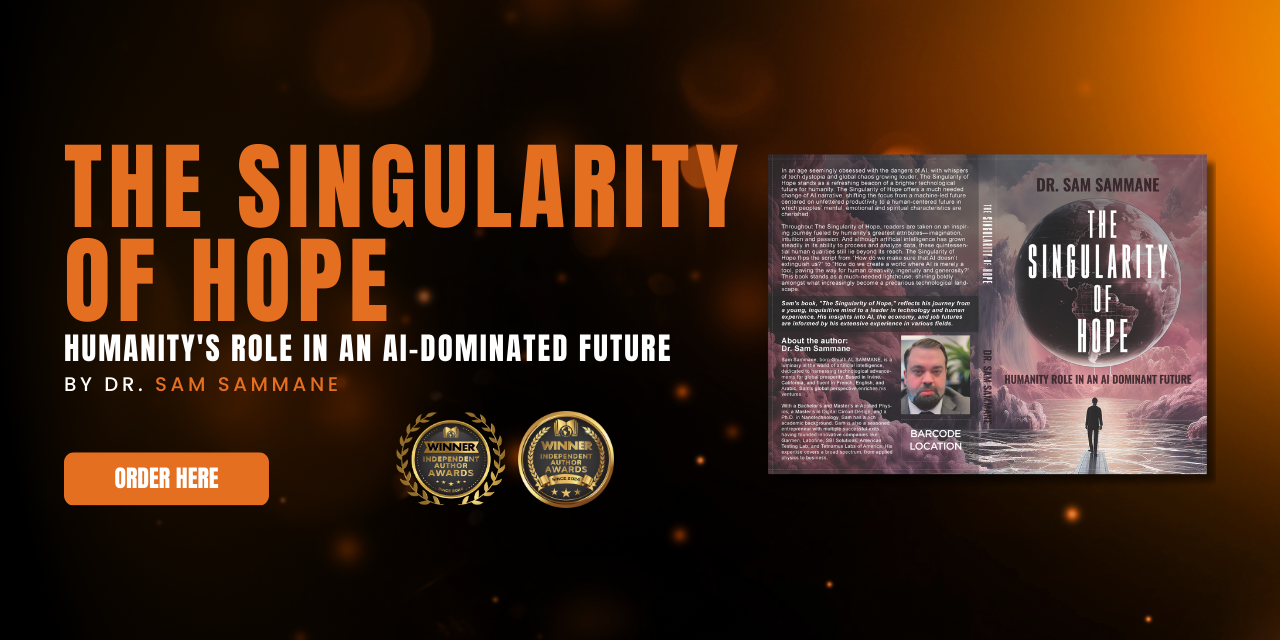
When I founded TheoSym, and later when I wrote Republic of Mars, I wasn’t thinking about escapism. I was thinking about survival, innovation, and the future of human consciousness itself.
Mars colonization isn’t a nice-to-have. It’s a fundamental investment in humanity’s long-term viability.
Why We Need to Think About Mars Today
1. Existential Resilience
Earth faces climate challenges, pandemics, asteroid risks. A multi-planetary species is a resilient species. It’s not pessimism—it’s prudent risk management at a civilizational scale.
2. Innovation Spillovers
Every major space program generates advances that transform life on Earth. Memory-foam. Water purification. Robotics. Medicine. Solar technology. The Apollo program alone returned $7–14 in economic value for every $1 invested.
3. Inspiration & Unified Purpose
In a fractured world, Mars is a unifying vision. It asks: “What are we capable of together?” That spirit of shared ambition drives breakthrough thinking in every domain.
4. Scientific Discovery
Was there life on Mars? Does life emerge anywhere in the universe? These aren’t abstract questions—they reshape our understanding of biology, consciousness, and our place in the cosmos.
The Path Forward
Phase 1: Infrastructure (2020s–2030s)
Reusable rockets. Space stations. Mining lunar resources. This phase is already underway. Companies like SpaceX are proving the economics work.
Phase 2: Permanent Habitat (2030s–2040s)
Establish self-sustaining colonies with life support, agriculture, and energy systems. The technical challenges are solvable; the organizational challenges are harder.
Phase 3: Civilization (2040s+)
Independent Martian economy, governance, culture. Humans born on Mars who’ve never seen Earth. This is the endgame—and it’s closer than most people think.
Why This Matters for AI & Technology
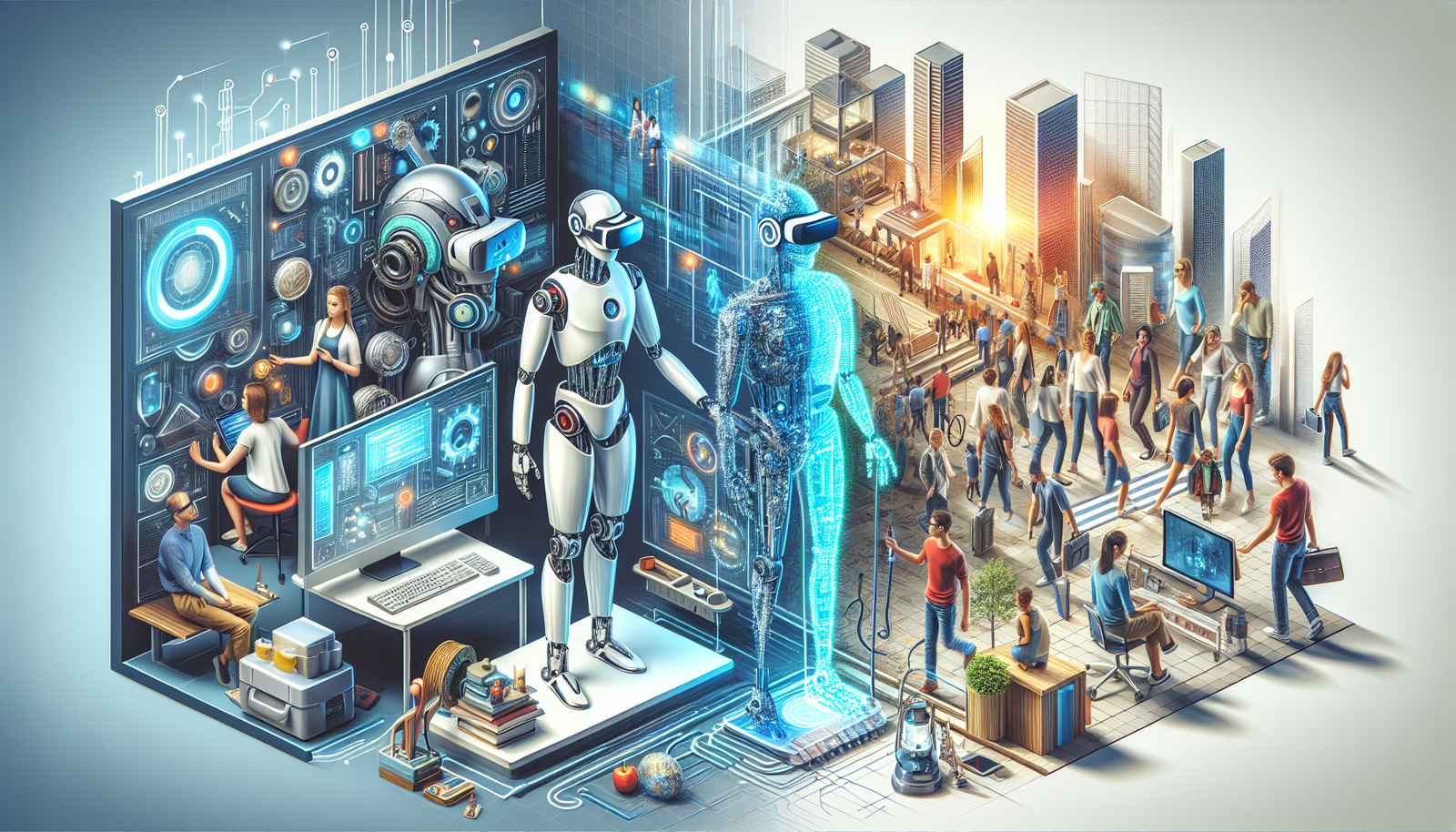
Mars demands advances in AI and autonomous systems. Robots that can repair themselves. AI that makes decisions with 20-minute communication delays. Manufacturing in low gravity. These capabilities don’t stay on Mars—they revolutionize Earth industries.
And perhaps most importantly: AI on Mars must be trustworthy, explainable, and aligned with human values—because humans can’t babysit every decision. Mars forces us to solve the alignment problem.
The Moral Dimension
Some argue Mars colonization is a billionaire fantasy. I’d counter: Ambition at scale has always driven human progress. The Silk Road. Transcontinental railways. The internet. Each seemed impossible until they weren’t.
Mars represents a future where humanity isn’t trapped by Earth’s scarcity. Where growth is possible without zero-sum competition. Where resources are vast and problems inspire collaboration rather than conflict.
That’s not escapism. That’s hope.
The Takeaway
We don’t need to choose between solving Earth’s problems and reaching Mars. Investing in space drives innovation that solves both. And setting our eyes on Mars expands what we think is possible.
The question for your generation isn’t whether humanity will reach Mars. We will. The question is: will you be part of building it?